Every day, your hearing helps you connect with the people and experiences that matter most. From conversations with family and friends to listening to your favorite music, hearing plays an important role in communication, independence, and quality of life. However, repeated exposure to loud sounds can damage your hearing over time, sometimes without you realizing it.
Hearing Protection Month is an opportunity to learn how to reduce your risk of hearing damage and make hearing care part of your everyday routine. Whether you have noticed changes in your hearing, already wear hearing aids, or are considering over-the-counter (OTC) hearing aids, knowing when to seek help can make a difference in your long-term hearing health.
Key Takeaways
Noise-induced hearing loss can result from a single extremely loud sound or repeated exposure to loud noise over time.
You can reduce your risk by lowering the volume, moving away from loud sounds, taking listening breaks, and wearing appropriate hearing protection.
Ringing in your ears or muffled hearing after loud noise can signal that your ears have been exposed to potentially harmful sound.
A balanced diet, regular physical activity, and management of chronic health conditions support overall health, but they cannot guarantee protection against hearing loss.
Hearing aids help address hearing difficulties but do not replace earplugs or earmuffs in hazardous noise.
Adults experiencing hearing difficulties should consider a hearing evaluation to understand the cause and identify appropriate options, including OTC hearing aids when suitable.
Why Is National Protect Your Hearing Month Important?
National Protect Your Hearing Month is observed each October to raise awareness about hearing health and encourage people to take steps to prevent avoidable hearing damage.
According to the National Institutes on Deafness and Other Communication Disorders (NIDCD), noise-induced hearing loss can affect people of all ages. Loud music, power tools, concerts, sporting events, and other noisy environments can put hearing at risk when sounds are too loud or exposure lasts too long.
Once the sensitive structures in the inner ear are damaged, the resulting hearing loss is permanent. That is why hearing loss prevention matters throughout adulthood, including for people who already have some hearing loss.
Hearing Protection Month is also a useful reminder to pay attention to changes in your hearing, seek professional advice when needed, and avoid assuming that difficulty understanding conversations is simply a normal part of getting older.
What Causes Noise-Induced Hearing Loss?
The National Institutes of Health (NIH) states that noise-induced hearing loss occurs when loud sound damages delicate sensory cells and other structures in the inner ear. These structures help convert sound into signals that the brain can understand.
Damage can happen suddenly after an extremely loud sound, such as a nearby explosion or gunshot. It can also develop gradually after repeated exposure to loud music, machinery, or other noisy environments.
The risk depends on both the loudness of a sound and how long you are exposed to it. The louder the sound, the less time it may take to cause damage.
How Loud Is Too Loud?
Sound is measured in decibels (dB). According to NIDCD guidance, sounds at or below approximately 70 dBA are generally considered safe, while long or repeated exposure to sounds at or above 85 dBA can cause hearing loss.
Examples of common sound levels include:
| Sound Source | Approximate Sound Level |
|---|---|
Normal conversation | 60–70 dBA |
Lawn mower | 80–100 dBA |
Motorcycle | 80–110 dBA |
Concerts and sporting events | Can exceed 100 dBA |
Fireworks at close range | Can reach extremely high levels |
Learn more about how sound is measured in our Decibel Chart blog.
Noise-related damage may not be obvious right away. Some people experience temporary ringing or muffled hearing after a loud event, but symptoms that improve do not necessarily mean the ears were unaffected. Repeated exposure can contribute to lasting hearing difficulties.
8 Hearing Protection Tips for Everyday Life
Learning how to protect your hearing does not require avoiding every noisy activity. The goal is to reduce the intensity and duration of harmful sound exposure whenever possible.
Here are 8 practical hearing protection tips for adults.
1. Keep headphone and earbud volume at a safe level
Listening to music, podcasts, or videos at high volume for extended periods can increase the risk of hearing damage.
Start with a lower volume and raise it only as needed. Some phones and listening devices offer headphone safety notifications or volume limits that can help you monitor your listening habits.
2. Take regular breaks from listening
Even when you cannot avoid sound completely, reducing the amount of time you spend exposed to it can help.
During long listening sessions, lower the volume when possible or take breaks in quieter surroundings. The same principle applies to noisy workplaces, concerts, and recreational activities.
3. Move farther away from loud sounds
Distance can reduce the amount of sound reaching your ears.
At concerts, sporting events, or other gatherings, consider sitting away from loudspeakers. If machinery or other equipment is making excessive noise, move away when it is safe to do so.
4. Use earplugs or earmuffs in noisy environments
If you cannot lower the volume or move away from the noise, use appropriate hearing protection.
Common options include:
Earplugs: Fit inside the ear canal and are available in disposable, reusable, and custom-molded styles.
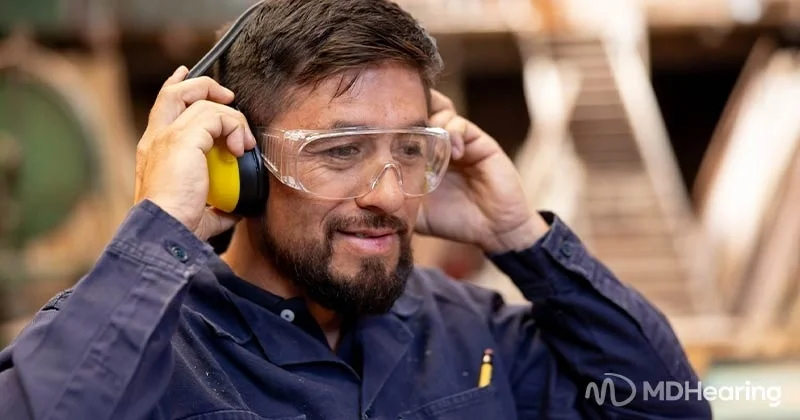
Protective earmuffs: Cover the ears and are often convenient for activities such as yard work or using power tools.
Specialized hearing protection: May be useful for musicians, industrial workers, or people who regularly participate in loud recreational activities.
5. Plan ahead for concerts, sporting events, and other loud activities
It is easier to protect your hearing when you prepare before entering a noisy environment.
Keep earplugs available in your bag, car, or work supplies. Identify quieter areas where you can take breaks, and avoid standing close to speakers or other major noise sources. If you attend loud events regularly, make hearing protection part of your normal preparation rather than something you remember only after your ears start ringing.
6. Pay attention to warning signs after noise exposure
Ringing, buzzing, or muffled hearing after a loud event can be a warning that your ears have experienced potentially harmful noise.
If this happens, move to a quieter environment and avoid further loud exposure. Do not assume that the risk has passed simply because the symptoms improve. If ringing or hearing changes persist, arrange a medical or hearing evaluation.
7. Make hearing checks part of your healthcare routine
Hearing changes can develop gradually, making them easy to overlook. You might find yourself asking people to repeat themselves, struggling to follow conversations in restaurants, or increasing the television volume more often.
A hearing evaluation can help determine whether hearing loss is present and provide information about its possible causes and appropriate next steps. If you are considering hearing aids for the first time, this can also help you understand which options are appropriate.
8. Protect your hearing at work and at home
Harmful noise is not limited to concerts or music. Lawn equipment, power tools, workshop machinery, and certain workplace environments can also expose you to hazardous sound.
Use quieter equipment when practical, maintain machinery according to its instructions, and follow workplace hearing protection requirements. If your job involves regular loud noise, ask your employer or occupational health professional about appropriate protection and hearing monitoring.
Small, consistent choices can make hearing health a regular part of your routine.
4 Lifestyle Habits That Support Your Hearing Health
Protecting your ears involves more than managing noise exposure. Your overall health also matters, and certain lifestyle habits can support general well-being as you age.
Eat a balanced, nutrient-rich diet
A varied diet that includes vegetables, fruits, whole grains, healthy fats, and sources of protein supports overall health. It can also help you manage conditions that affect your general well-being.
Rather than relying on a particular food to improve hearing, focus on consistent, balanced eating habits.
Stay physically active
Regular physical activity supports cardiovascular health and can help with management of conditions such as high blood pressure and diabetes. These conditions are associated with a higher risk of some types of hearing problems.
Avoid smoking and manage alcohol intake
Smoking and excessive alcohol use can affect general health and may be associated with increased health risks, including some hearing-related concerns.
Manage chronic health conditions
If you have diabetes, high blood pressure, or another ongoing medical condition, follow your treatment plan and attend recommended checkups.
Good management of these conditions supports your overall health. It does not guarantee that hearing loss will be prevented, so noise protection and hearing evaluations remain important.
What Are the Signs of Hearing Loss?
Recognizing the signs of hearing loss can help you decide when to seek an evaluation. Hearing difficulties do not always begin with an obvious inability to hear sounds. Sometimes, the first changes appear during conversations or in noisy environments.
Common signs include:
Frequently asking people to repeat themselves.
Having difficulty understanding speech when several people are talking.
Finding conversations in restaurants or crowded rooms is especially challenging.
Turning up the television or phone volume more than other people prefer.
Feeling that people are mumbling, even when they appear to be speaking clearly.
Experiencing ringing, buzzing, or other sounds in your ears.
Having difficulty hearing higher-pitched sounds.
Important: Sudden hearing loss, especially in one ear, should be assessed urgently. Do not delay medical care.
Do Hearing Aids Protect Your Ears From Loud Noises?
The relationship between hearing aids and hearing protection is important to understand, especially if you already wear hearing aids or are thinking about buying them.
Hearing aids are designed to help people with hearing loss hear speech and other sounds more clearly. They do not replace earplugs or earmuffs when you are exposed to hazardous noise.
Some hearing aids include features designed to manage loud sounds, but these features should not be treated as substitutes for hearing protection in environments where noise could cause damage.
Can OTC Hearing Aids Help Adults With Mild to Moderate Hearing Loss?
OTC hearing aids are an option for adults aged 18 and older who perceive that they have mild to moderate hearing loss. They are designed to be purchased directly by consumers without a prescription or a medical evaluation being required for the purchase.
Before choosing OTC hearing aids, consider the following:
Understand your hearing needs. Think about when you struggle most, such as during conversations, phone calls, or group gatherings.
Review the product features. Consider fit, comfort, sound adjustments, battery or charging options, and available customer support.
Know when to seek medical advice. Ear pain, drainage, dizziness, sudden hearing changes, or other concerning symptoms should be evaluated rather than treated simply by purchasing a device.
Continue protecting your hearing. Even if hearing aids help you hear more clearly, avoid hazardous noise and use appropriate hearing protection.
Make Hearing Protection a Year-Round Habit
Hearing Protection Month is a reminder that protecting your hearing begins with everyday choices. If you already experience hearing difficulties, you can still take steps to protect your remaining hearing and explore options that may help you hear more comfortably.
MDHearing makes better hearing more accessible with affordable hearing solutions and personalized support. This Hearing Protection Month, explore our special offers and discover hearing solutions designed for everyday listening, backed by ongoing care and support.
Take the next step toward clearer conversations, greater confidence, and more peace of mind with MDHearing.
COMPARE OUR HEARING AIDS
Frequently Asked Questions About Hearing Protection
How can I protect my hearing every day?
Lower the volume on headphones and other devices, take listening breaks, move away from loud sounds, and wear appropriate earplugs or earmuffs when necessary. If you notice ringing or muffled hearing after noise exposure, avoid further loud sounds and seek professional advice if symptoms persist.
Can hearing loss from loud noise be prevented?
Noise-induced hearing loss is preventable through effective noise protection. Lowering volume, limiting exposure time, moving away from loud sounds, and using appropriate hearing protectors can reduce risk. These steps cannot reverse hearing damage that has already occurred.
What is a safe volume for headphones?
There is no single volume setting that is guaranteed to be safe for every headphone or device. Sound exposure depends on actual loudness and listening time. Keep the volume as low as practical, take regular breaks, and use device safety features when available.
What foods and lifestyle habits support hearing health?
A balanced diet, regular exercise, avoiding smoking, limiting excessive alcohol use, and managing chronic health conditions support overall health. However, no specific food or lifestyle habit guarantees protection from hearing loss. Reducing exposure to harmful noise remains essential.
When should adults get a hearing test?
Consider a hearing evaluation if you struggle to understand conversations, frequently ask people to repeat themselves, or notice other changes in your hearing. People with ongoing noise exposure may also benefit from discussing hearing monitoring with a healthcare professional. Sudden hearing loss requires urgent medical assessment.
Can OTC hearing aids help with mild to moderate hearing loss?
Yes. OTC hearing aids are intended for adults aged 18 and older with perceived mild to moderate hearing loss. They may help improve access to everyday sounds, but they are not suitable for every hearing condition and do not prevent additional noise-related damage. Seek medical evaluation for sudden hearing changes or other concerning symptoms.